




💼✨. You see the headlines: She made $10,000 a month selling printables! or He quit his job after starting a dropshipping business! It’s easy to feel like the side hustle ship has sailed, reserved for tech gurus and marketing whizzes. But what if you could generate meaningful extra income without a massive time commitment, technical degree, or upfront investment?
The truth is, the most sustainable side hustles aren’t about viral fame or complex schemes. They’re about leveraging what you already have—a few hours a week, common skills, and the digital tools at your fingertips—to create a steady stream of extra cash. Forget the all-or-nothing mindset. Here are five legit, low-effort ideas designed to fit around your existing life, not overthrow it.
The Guiding Principle: The Micro-Productivity Mindset ⏱️
Before we dive in, abandon the idea that you need 20-hour weeks. Think in 90-minute blocks. A successful side hustle can be built by consistently dedicating just 90 minutes, 2-3 times a week. This makes it sustainable, prevents burnout, and turns a daunting project into a series of small, manageable tasks.
1. The Digital Helper: Freelance Micro-Services 🖥️
The Idea: Instead of landing huge, long-term clients, offer small, specific digital tasks. You’re not selling a social media management package; you’re selling 5 polished Instagram posts or a weekly newsletter draft.
Why It’s Low-Effort: Platforms exist that are built for one-off, small jobs. You don’t need a portfolio website—just a profile. Tasks are clearly scoped, so you know exactly the time commitment.
Your Starter Kit:
- Platforms: Fiverr (for gig-based services), Upwork (for slightly larger micro-jobs), TaskRabbit (for virtual tasks like data entry).
- Skills to Leverage: Are you good at proofreading emails? Formatting Word docs? Doing basic photo editing in Canva? Organizing messy Google Sheets? That’s a service.
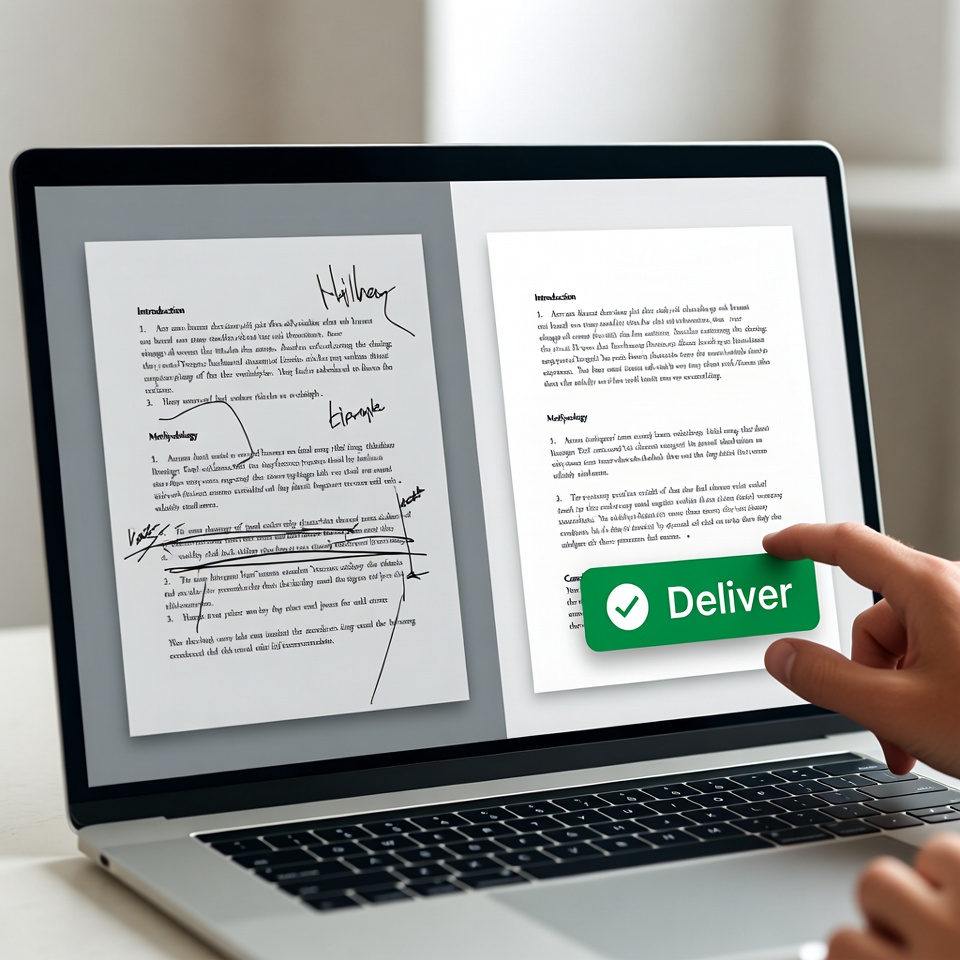
- The First Gig: On Fiverr, create a gig titled I will proofread and polish your 500-word blog post in 24 hours for $15. Use the extra time from one gig to create another offering.
2. The Clutter Monetizer: Online Arbitrage 📦
The Idea: Use your eye for value to buy low and sell high on online marketplaces. This isn’t vintage flipping (which requires expertise); it’s about finding new or like-new items on clearance, at discount stores, or in Facebook Marketplace lots, and reselling them for a profit on Amazon or eBay.
Why It’s Low-Effort: Apps do the hard work. You can scan barcodes while grocery shopping or browse deals from your couch. It’s a puzzle that pays.
Read also: 7 Silent Money Leaks That Are Draining Your Wallet Every Month
Your Starter Kit:
- Tools: The Amazon Seller App (scan barcodes to see sales rank and price), FB Marketplace & OfferUp (for sourcing), eBay (for selling).
- The 101 Strategy: Start with retail arbitrage. Go to a big-box store’s clearance aisle. Scan items with your Amazon Seller App. Look for items that sell for 50-100% more online. Buy only 2-3 units to test.
- Pro-Tip: Stick to categories you understand (kids’ toys, kitchen gadgets, books). Start with small, lightweight items to keep shipping simple.
3. The Knowledge Packager: Create & Sell Digital Templates 🧾
The Idea: You solve a common problem once, package the solution, and sell it indefinitely. This is the ultimate make it once, sell it forever model.
Why It’s Low-Effort: After the initial creation (which might take a few focused hours), your work is done. Sales are mostly passive. You’re selling a digital product, so there’s no inventory or shipping.
Your Starter Kit:
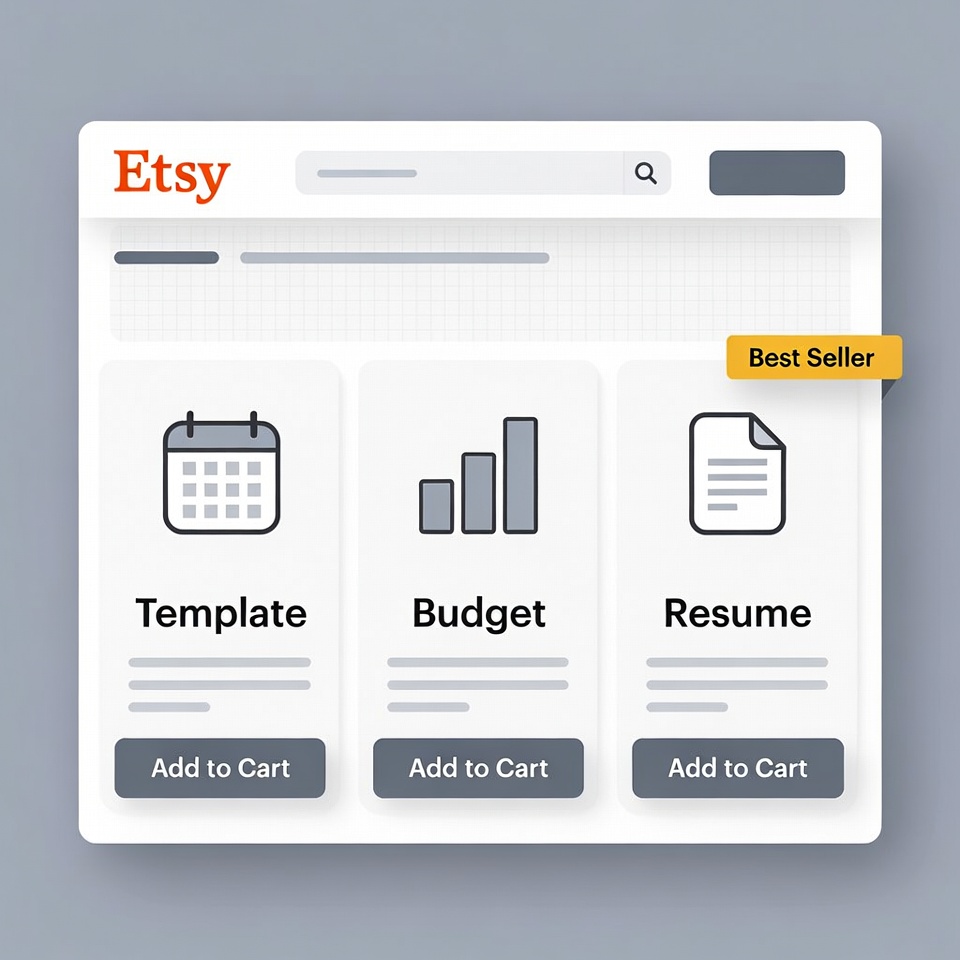
- What to Create: Notion templates (for budgeting, meal planning), Canva templates (for social media graphics, resumes), Google Sheets/Excel trackers (for habit tracking, expense logs).
- Platforms: Etsy (huge market for digital downloads), Gumroad, or your own simple website using Carrd.
- The First Product: Build a 2024 Monthly Budget Dashboard in Google Sheets. Make it visually clean and easy to use. Take appealing screenshots. List it on Etsy for $7-12.
4. The Modern Handmaker: Print-on-Demand Merch 🎨
The Idea: Create designs for t-shirts, mugs, or tote bags, and let a company handle production, printing, and shipping. You don’t touch inventory.
Why It’s Low-Effort: Leverage free design tools and your niche interests. The effort is in the clever idea and simple design, not in screen printing or logistics.
Your Starter Kit:
- Platforms: Printful (integrates with Etsy/Shopify), Redbubble, Merch by Amazon.
- The Niche is Key: Don’t design for everyone. Design for cat-loving engineers or yoga teachers who love dad jokes. Use free tools like Canva or even Microsoft PowerPoint to create text-based or simple graphic designs.
- The First Design: Think of a clever, niche-specific phrase. Example: Compiler of Chaos for a programmer. Put it in a clean font on a classic t-shirt mockup. Upload to Redbubble. That’s it.
5. The Audio Earner: Voiceover & Audio Narration 🎙️
The Idea: Use your clear, pleasant speaking voice to record short voiceovers for explainer videos, e-learning modules, or audiobooks.
Why It’s Low-Effort: The barrier to entry is lower than ever. You don’t need a professional studio; a quiet closet with a decent USB microphone works. Jobs are often short (under 500 words).
Your Starter Kit:
- Gear: A USB microphone like a Blue Yeti or Audio-Technica ($100-$150 investment) and a quiet space.
- Platforms: Fiverr, Voices.com, ACX (for audiobooks specifically).
- The First Step: Record a clean, one-minute demo of you reading a neutral piece of text (a product description, a blog excerpt). Create a profile on Fiverr offering Friendly, Clear Voiceover for 100 Words for a competitive rate to get your first reviews.

Your 30-Day Launch Plan 🗓️
Week 1: Research & Choose. Pick one idea from above that genuinely excites you. Spend your 90-minute blocks this week researching it deeply. Watch 2-3 YouTube tutorials.
Week 2: Build Your Asset. Create your first product (a template, a design), set up your platform profile, or source your first 3 items to sell.
Week 3: Launch & List. Put it out there! List your Fiverr gig, post your products, or list your first items for sale.
Week 4: Tweak & Learn. Made a sale? Great! Didn’t? Adjust your pricing, photos, or description based on what you see others doing successfully.
The Mindset That Makes It Work
- Start before you’re ready. Your first product or service won’t be perfect. Version 2 will be better.
- Consistency > Intensity. One 90-minute block per week is better than a frantic 8-hour Sunday and then nothing for a month.
- It’s not extra work; it’s skill-building. Every task, even a small one, is growing your competence and confidence.
Your side hustle isn’t just a money-maker; it’s a laboratory for your own capabilities. It proves to yourself that you can create, sell, and build something from scratch. Pick your lane, block the time, and ship that first small thing. The first $50 you earn on your own terms will feel more empowering than a $500 paycheck. Now, go claim your corner of the internet.











 English
  Deutsch
  Français
  Italiano
  Español
  Čeština
  Polski
  Bahasa Indonesia
  Türkçe
  Svenska
  Українська
  Português do Brasil