





There are few household annoyances as universal as a slow-draining sink. That dreaded moment when water starts to pool around your ankles in the shower or sits stubbornly in the kitchen sink is enough to ruin your mood. The immediate reaction for many is to reach for a harsh, chemical drain cleaner. But those caustic liquids are dangerous to your health, harmful to your pipes, and terrible for the environment.
What if you could tackle that clog effectively, cheaply, and safely with ingredients you already have in your pantry? You can. The ultimate dynamic duo for drain cleaning is baking soda and vinegar. This simple, non-toxic hack uses a powerful chemical reaction to break down gunk and get your water flowing freely again.
Why This Natural Method Works So Well 💥
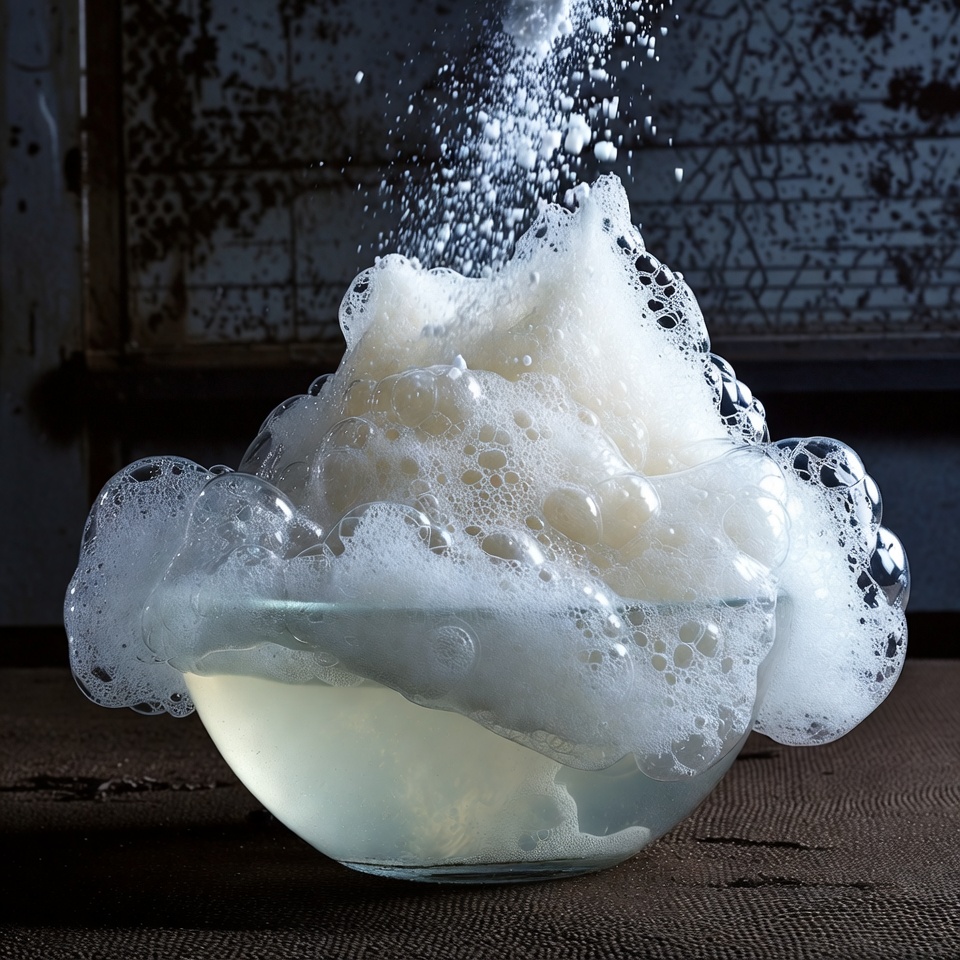
The magic lies in a basic acid-base reaction. When baking soda (a base, sodium bicarbonate) mixes with vinegar (an acid, acetic acid), they create a fizzing, bubbling frenzy.
- The Bubbling Action: This fizzy reaction helps to dislodge and break up the gunk, hair, and grease that’s causing the clog.
- The Cleaning Power: Baking soda is a mild abrasive that helps scrub the sides of your pipes, while vinegar is a natural disinfectant and de-greaser.
- It’s Safe: Unlike chemical cleaners, this mixture won’t damage your PVC or metal pipes, and it’s completely safe for you, your kids, and your pets.
What You’ll Need (The Dream Team)
Gather these three simple items:
- ½ cup of Baking Soda: The scrubbing, deodorizing powerhouse.
- 1 cup of White Vinegar: The acidic, bubbling, grease-cutting hero.
- A kettle or pot of Boiling Water: To flush everything away.
The Step-by-Step Guide to a Free-Flowing Drain
Follow these steps precisely for the best results. The order of operations is key!
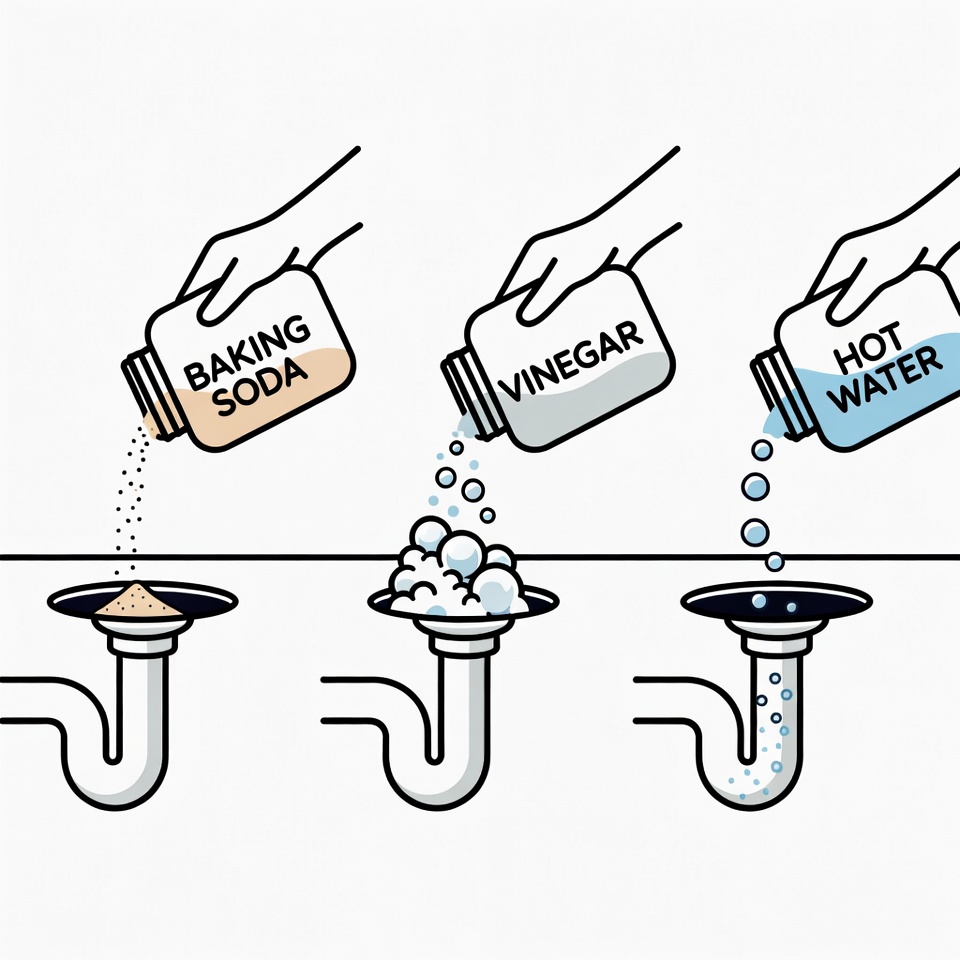
Step 1: The Hot Water Prep
Start by pouring a medium-sized pot of boiling water down the drain. This helps to soften and loosen the initial layer of grease and soap scum.
Step 2: The Baking Soda Base
Immediately pour ½ cup of baking soda directly into the drain. Try to get as much as possible down the drain hole. Don’t worry if a little sits in the sink; just guide it in.
Step 3: The Vinegar Volcano 🗻
Now, quickly pour 1 cup of white vinegar into the drain. You’ll hear that satisfying fizz right away! This is the reaction working its magic.
- Pro Tip: For a kitchen sink, you can add a few drops of lemon juice or essential oil to the vinegar for a fresh scent.
Step 4: The Waiting Game
Cover the drain with a plug or a wet cloth if possible. This helps to contain the fizzing reaction and build pressure, forcing the mixture to work its way through the clog. Let it sit for at least 30 minutes, or even an hour for a tough clog.
Step 5: The Final Flush
After the waiting period, uncover the drain and flush it with another pot of boiling hot water. This will wash the dislodged gunk away and clear the pipes.
Pro-Tips for Stubborn Clogs & Maintenance
- For a Tough Clog: If the drain is still slow after one treatment, repeat the entire process. Persistence pays off with this method.
- The Plunger Assist: After the final flush, you can use a plunger to help create extra pressure and suction to move a stubborn blockage. Make sure you have a tight seal over the drain.
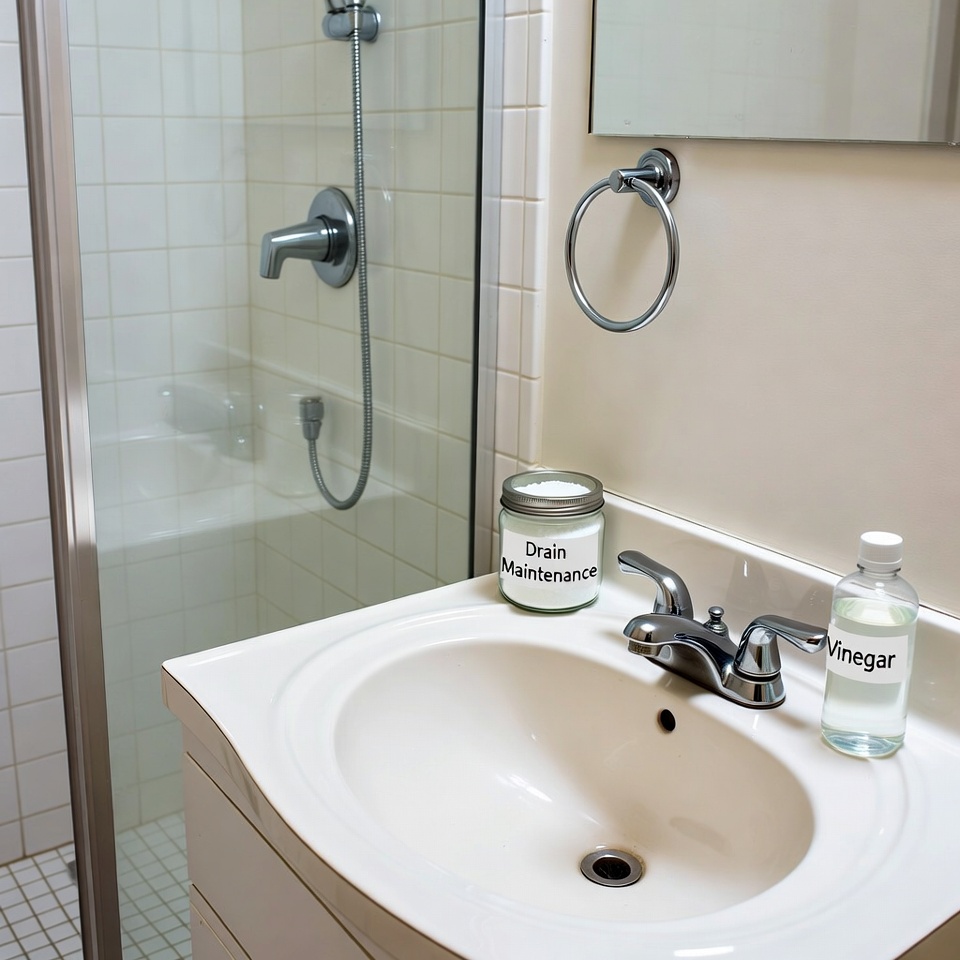
- Preventative Maintenance: To keep your drains clear and smelling fresh, perform this baking soda and vinegar trick once a month. It’s a fantastic, cost-effective way to maintain your pipes and prevent future clogs.
When to Call a Professional
While this baking soda hack is incredibly effective for most common clogs caused by hair, soap, and grease, it may not work for a severe blockage or a foreign object stuck in the pipe. If you’ve tried this method twice with no improvement, it might be time to call a plumber.
The Bottom Line: Ditch the Chemicals for Good
You no longer have an excuse to keep toxic chemical drain cleaners in your home. With a box of baking soda and a bottle of vinegar—totaling just a few cents per use—you have a safer, more effective, and eco-friendly solution at your fingertips.
This hack not only saves you money but also gives you the satisfaction of solving a common household problem with simple, natural science. So the next time your drain gurgles in protest, you know exactly what to do. Say goodbye to harsh chemicals and hello to a naturally clear drain.












 English
  Deutsch
  Français
  Italiano
  Español
  Čeština
  Polski
  Bahasa Indonesia
  Türkçe
  Svenska
  Українська
  Português do Brasil