





Think the air inside your home is cleaner than outside? Research by the EPA suggests the opposite—indoor air can be 2 to 5 times more polluted. From formaldehyde off-gassing from furniture to VOCs (volatile organic compounds) from cleaning products, our modern homes are filled with invisible toxins. While air purifiers work, they require electricity, filter replacements, and can be noisy.
What if nature already designed the perfect, silent, self-replicating air filter? Enter the living air purifier: certain houseplants that actively absorb toxins through their leaves and roots, converting them into harmless compounds. This isn’t just folklore; NASA’s famous Clean Air Study identified specific plants with remarkable air-scrubbing abilities. Let’s build your own beautiful, breathing filtration system.
The Science: How Plants Eat Pollution 🧪
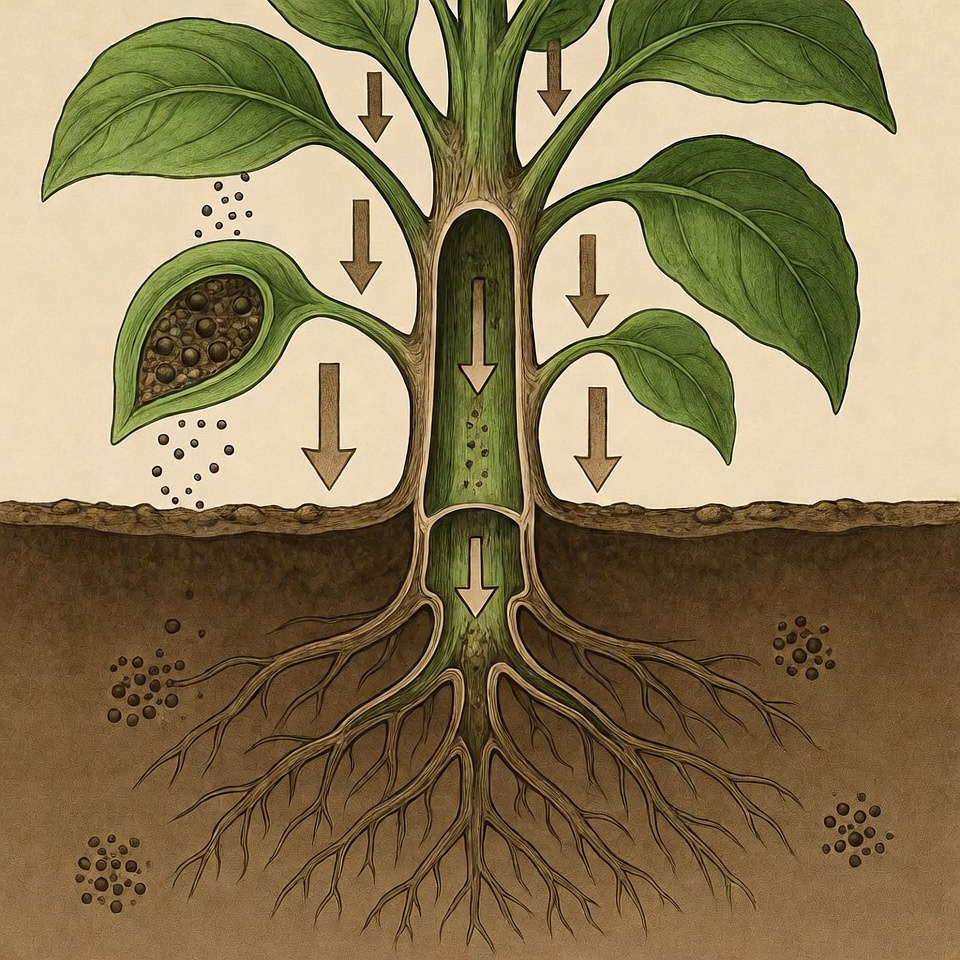
Plants are far more than decorative. Through tiny pores in their leaves called stomata, they absorb gaseous pollutants. These toxins are then broken down by microorganisms in the soil and the plant’s own biological processes. The three most common household villains they tackle are:
- Formaldehyde: Found in plywood, carpets, and glues.
- Benzene: Released by plastics, synthetic fibers, and detergents.
- Trichloroethylene: Present in varnishes, paints, and adhesives.
A well-chosen plant acts as a gentle, continuous bio-filter, improving humidity and oxygen levels along the way.
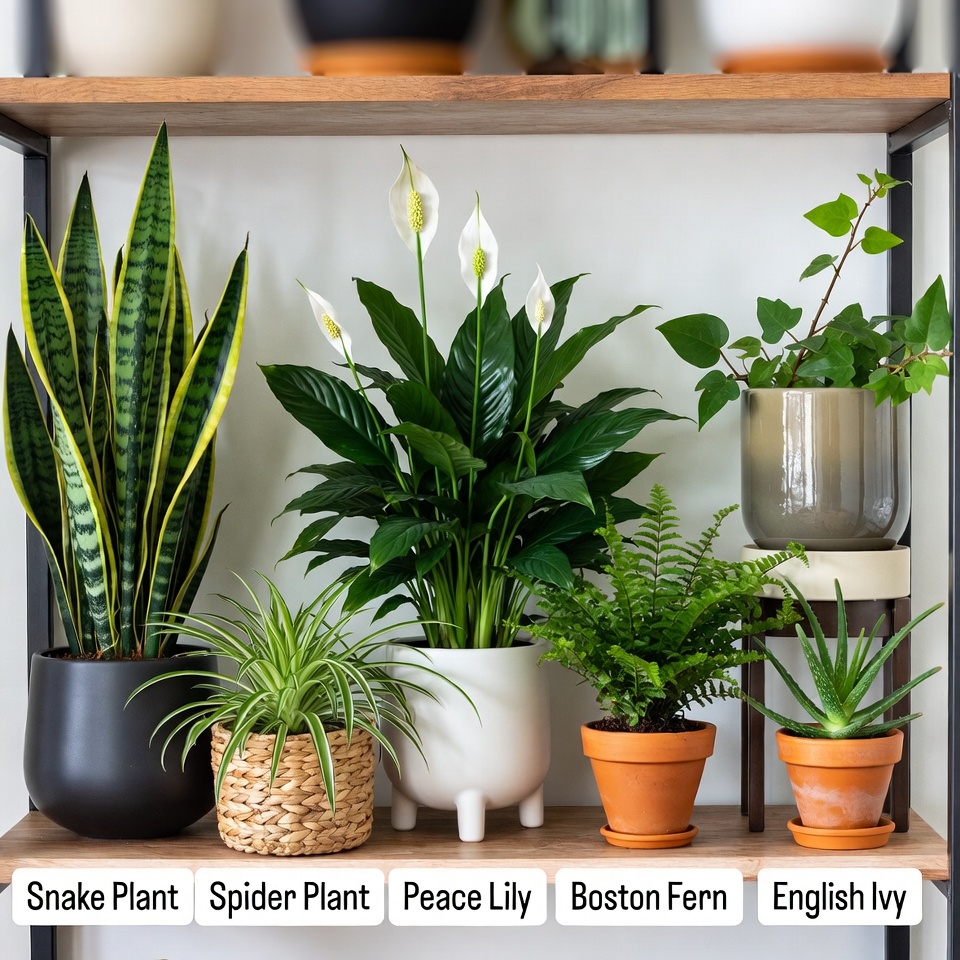
The Clean Air Squad: Top 5 Proven Performers
Based on NASA’s research and ease of care, these are the MVP (Most Valuable Plant) picks for your DIY purifier.
1. Snake Plant (Sansevieria) – The Bedroom Guardian. 🛏️
- Superpower: Uniquely converts CO2 to oxygen at night, making it perfect for bedrooms. Exceptionally effective against formaldehyde and benzene.
- Care: Thrives on neglect. Needs low light and very infrequent watering. Impossible to kill.
- DIY Tip: Place one on your nightstand or in a dim bedroom corner. A medium-sized plant can filter the air in a 100-square-foot room.
2. Spider Plant (Chlorophytum comosum) – The Prolific Workhorse. 🕷️
- Superpower: A champion at removing formaldehyde and carbon monoxide. Non-toxic to pets.
- Care: Loves bright, indirect light. Water when the soil feels dry. Produces spiderettes (baby plants) you can propagate endlessly.
- DIY Tip: Perfect for a hanging basket in your home office or living room. The trailing plantlets increase its air-filtering surface area.
3. Peace Lily (Spathiphyllum) – The Humidifying Bloomer. 🌸
- Superpower: Excellent at removing all three major VOCs (formaldehyde, benzene, trichloroethylene). Increases room humidity as it respirates.
- Care: Prefers low to medium light and moist soil. Will droop dramatically when thirsty—a clear signal to water.
- DIY Tip: Ideal for bathrooms (where moisture-loving plants thrive) or near electronics. Note: Toxic to cats and dogs if ingested.
4. Boston Fern (Nephrolepis exaltata) – The Humidity & Formaldehyde Sponge. 🍃
- Superpower: Rated by NASA as one of the most efficient plants at removing formaldehyde. Also acts as a natural humidifier.
- Care: Requires more attention. Needs consistent moisture, high humidity, and indirect light. Mist regularly.
- DIY Tip: Place on a pedestal in your living room or bedroom. Its lush, feathery fronds provide a large surface area for purification.
5. English Ivy (Hedera helix) – The Mold & Allergen Fighter. 🍂
- Superpower: Shown to reduce airborne mold particles and fecal matter, making it great for those with allergies.
- Care: Enjoys cool temperatures and moist soil. Can be grown in pots or as a trailing plant.
- DIY Tip: Train it to grow along a shelf or in a hanging planter in common areas. Note: Also toxic to pets.
Your DIY Setup: The Layered Defense Strategy
One plant is good; a strategic system is transformative. Think in layers, like a security system for your air.
- Layer 1: Entry Points. Place a Peace Lily or Boston Fern near your front door to intercept pollutants from outside.
- Layer 2: High-Output Zones. Position several Spider Plants and a Snake Plant in your living room and home office, where you spend the most time.
- Layer 3: Sleep & Recovery Zones. A Snake Plant in the bedroom for nighttime oxygen, and an English Ivy in the bathroom to combat mold.
- The Rule of Thumb: For noticeable air quality impact, aim for at least one medium-to-large plant per 100 square feet of space.
Beyond the Pot: Maximizing Your Plants’ Power
A plant is a living system. To make it a powerful purifier, optimize its environment.
- The Soil Matters: Use high-quality, well-aerated potting mix. The microbiome in healthy soil is where much of the toxin breakdown happens.
- Keep Leaves Clean: Gently wipe leaves with a damp cloth every few weeks. Dust blocks the stomata, reducing the plant’s ability to “breathe” in pollutants.
- The More Leaves, More Work Principle: The more leaf surface area a plant has, the more air it can filter. Choose bushy, full plants over sparse ones.
- Gentle Airflow: A small fan providing gentle circulation helps distribute air towards your plants and strengthens their stems.
Your First Week to Cleaner Air
Day 1-2: Assess your space. Identify one key area (e.g., your home desk or bedroom).
Day 3: Purchase or propagate one Snake Plant or Spider Plant.
Day 4: Place it in your chosen spot. Research its specific watering needs.
Day 5-7: Observe. Notice the greenery, and take a deep breath. You’ve started your living ecosystem.
Weekend Project: Create a propagation station for Spider Plant spiderettes to clone your air purifiers for free.

This isn’t just about adding decor. It’s about cultivating a living, breathing partnership with nature. These silent green allies work 24/7, asking only for a little water and light in return for cleaner air, reduced stress, and a profound sense of natural harmony. Start with one. Your lungs—and your mind—will thank you.












 English
  Deutsch
  Français
  Italiano
  Español
  Čeština
  Polski
  Bahasa Indonesia
  Türkçe
  Svenska
  Українська
  Português do Brasil